
Where to Actually Eat: The Snacks, Drinks & Comfort Food That Locals Crave
Because sometimes you need a mallorca at 3pm more than you need a Michelin-recommended tasting menu.
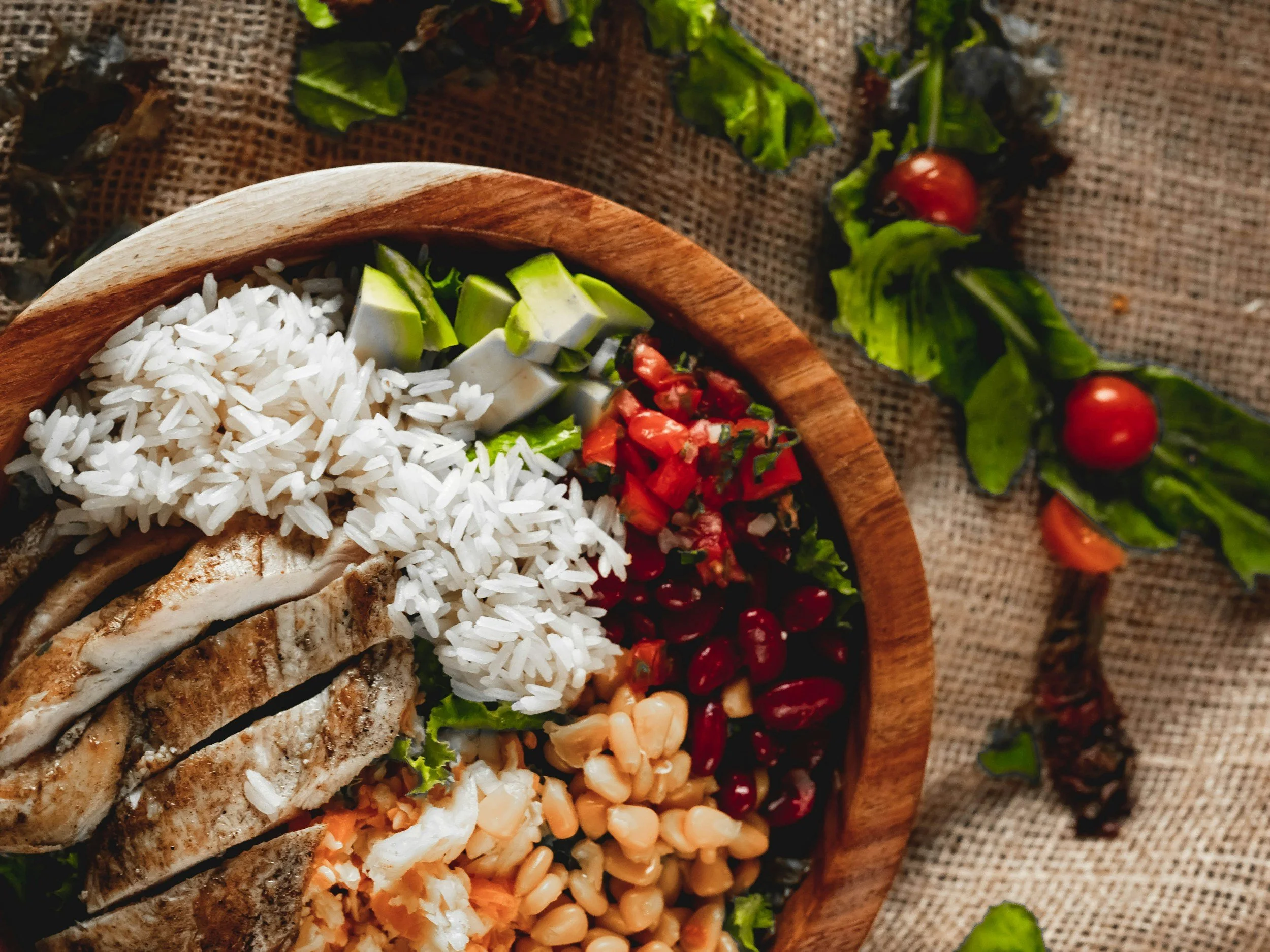
Look, José Enrique is incredible. Cocina Abierta will change your life. But let me tell you what really sustains daily life in San Juan: the panadería (bakery) that opens at 6am with fresh mallorcas, the chinchorro (casual beach shack) making the island's best mojitos, and the grandmother's kitchen hidden in Santurce serving rice and beans that'll make you weep.
This is the food that fuels our actual lives---not just our Instagram feeds.
Mallorcas: The Breakfast (or Anytime) Icon
A mallorca is Puerto Rico's answer to the question "what if a croissant and a brioche had a baby, dusted it with powdered sugar, and made it slightly sweet?" It's not technically a hangover cure, but ask anyone stumbling out of Kweens Klub at 6am where they're headed.
Where to get the best:
Mallorca (Condado) - Yes, the restaurant is literally named after the pastry. Their mallorcas are cloud-like, properly sweet, and come with ham and cheese if you want to pretend you're eating a meal. Open early. Get there before 10am or accept your fate. "El que madruga, Dios lo ayuda" (God helps those who wake up early) really applies here.
Kasalta (Ocean Park) - The OG. This bakery-café has been serving mallorcas since 1966, which means they've perfected the ratio of butter to powdered sugar to carbs. Always packed with locals, which should tell you everything. The line moves fast---Puerto Ricans don't tolerate inefficiency when pastries are involved.
Panadería España Repostería (Río Piedras) - If you want to eat where locals actually go (not where tourists are told locals go), this is it. Cheaper, less fancy, absolutely delicious. The kind of place where someone's abuela is sitting at the counter with her cafecito judging your life choices. Embrace it.
Quesitos: The Cream Cheese & Guava Situation
A quesito is puff pastry rolled around sweetened cream cheese, sometimes with guava paste. It sounds simple. It is not simple. A good quesito is flaky, slightly warm, sweet but not cloying, and will absolutely destroy whatever shirt you're wearing with powdered sugar.
Where to get the best:
Kasalta (Ocean Park) - Their quesitos are the gold standard. Flaky layers for days, cream cheese that's perfectly sweetened, occasional guava surprises. Pair with a cortadito (espresso with steamed milk) and you've just unlocked level 2 of being Puerto Rican.
Spiga (Condado) - Italian bakery making very respectable quesitos. The Italian-Puerto Rican fusion nobody asked for but everybody needs. Also makes excellent coffee, so you can fuel up before hitting the beach.
Any panadería with a long line of locals - Seriously. If you see Puerto Ricans waiting patiently (we don't wait patiently for much), the quesitos are going to be cabrón. Trust the system.
Mojitos: Not All Are Created Equal
Tourist trap mojitos in Old San Juan will cost you $15 and taste like vaguely minty disappointment. Real mojitos---the ones that make you understand why Hemingway had opinions about rum---exist in less obvious places.
Where to get the best:
La Factoría (Old San Juan) - Yes, it's become famous. Yes, tourists know about it now. But their mojitos are still spectacular---proper mint, quality rum, bartenders who understand that muddling is an art form. Get there before 9pm or accept a wait. Worth it.
Soliloquio Bar (Hato Rey) - Local spot, craft cocktails, mojitos that'll make you reconsider every mojito you've had before. The bartenders actually care, which in Puerto Rico means they're judging your drink order while simultaneously making you the best version of what you asked for.
Any beach chinchorro - The casual beach shacks dotting the coast make mojitos with fresh mint, local rum, and zero pretension. Are they perfectly balanced? Sometimes. Are they refreshing and $5? Always. "A caballo regalado no se le mira el colmillo" (Don't look a gift horse in the mouth)---or in this case, a $5 beach mojito.
Piña Coladas: The Eternal Debate
Every Puerto Rican has opinions about where the piña colada was invented (Barrachina vs. Caribe Hilton), and everyone is wrong except the person you're currently talking to. What matters: finding one that doesn't taste like sunscreen-flavored sadness.
Where to get the best:
Barrachina (Old San Juan) - Claims to have invented it in 1963. Tourists flock here. But honestly? Their piña coladas are solid---creamy, rum-forward, properly blended. Sometimes the tourist spot is popular for a reason. Order at the bar, skip the restaurant unless you want to pay $30 for mediocre mofongo.
Caribe Hilton (Condado) - The other claimant to piña colada invention (they say 1954). Their Beachcomber Bar makes them strong, sweet, and with actual care. Pricier, but you're paying for history and a view. Decidedly straight energy, but the drinks don't discriminate.
Local secret: Most lechoneras (roadside pork spots) make incredible piña coladas to cut through the richness of the food. Nobody talks about this. Now you know.
Rice & Beans: The Soul of Puerto Rico
Arroz con habichuelas is not just a side dish---it's a cultural identity. Every grandmother makes it differently. Every Puerto Rican will insist their family's version is correct. You're about to enter a decades-long argument with no resolution.
Where to get the best:
El Jibarito (Old San Juan) - Tourist-adjacent but locally approved. Their rice and beans are properly seasoned, perfectly textured, and served with the kind of portions that make you reconsider your dinner plans. The recaito (seasoning base) is on point.
La Esquina de Tonito (Santurce) - Local spot, barely marked, absolutely incredible. Order whatever the special is---it'll come with rice and beans that taste like home cooking because it basically is. The kind of place where regulars have assigned seats and the cook knows everyone's business.
Literally any cocina criolla (Puerto Rican kitchen) with plastic chairs - If the restaurant has:
Plastic patio furniture
A handwritten menu on posterboard
At least two locals arguing affectionately
A grandmother visible in the kitchen
...the rice and beans will be life-changing. "En casa de herrero, cuchillo de palo" (In the blacksmith's house, a wooden knife) does not apply to Puerto Rican kitchens---we eat well at home, better at these spots.
Bonus: The Other Essential Snacks
Alcapurrias (fried plantain or yucca fritters stuffed with meat) - Get them from beach vendors or chinchorreos (bar crawl spots). Hot, greasy, perfect. "Frito sabe a gloria" (Fried tastes like heaven).
Pastelillos (fried turnovers with various fillings) - Any panadería, any filling, any time. The Puerto Rican answer to "I'm slightly hungry but not meal-hungry." Crab and lobster versions exist in Old San Juan if you're feeling fancy.
Limber (frozen tropical fruit treat) - Puerto Rico's answer to ice pops, but better because they're made with real fruit and come in flavors like parcha (passion fruit), tamarindo, and coco (coconut). Find them at beach vendors or corner stores. Best hangover aid known to humankind.
Tripleta (sandwich with three meats) - Not light, not delicate, absolutely what you need at 2am. Most chinchorros make them. Order with everything. Regret nothing.
A Note on Timing & Etiquette
Breakfast pastries disappear by 10am. Early bird gets the mallorca.
Rice and beans are traditionally lunch foods, but honestly, any time is rice and beans time.
Beach snacks are sacred---if someone's selling alcapurrias from a cooler on the sand, buy three. Support local entrepreneurship and your own happiness.
Mojitos before dinner are acceptable. Piña coladas before noon are a choice, but we don't judge.
When eating at local spots with no English menu: Point at what looks good, smile, say "Me da uno de eso" (Give me one of that). Works every time.
Why This Matters (Beyond Deliciousness)
These aren't just snacks---they're cultural touchstones. The mallorca you eat at Kasalta connects you to every Puerto Rican who's ever stumbled in hungover on a Sunday morning. The rice and beans from a local kitchen tastes like someone's family history. The $5 mojito at a beach shack is mixed by someone who's been making them for 30 years and will judge you if you ask for light rum.
When you eat where locals eat---not where TripAdvisor tells you to eat---you're participating in the actual rhythm of San Juan life. You're supporting the businesses that support our community. You're having the kinds of casual encounters that turn into friendships, recommendations, invitations.
Plus, you'll save a fortune compared to tourist trap restaurants, which means more money for Pride outfits, drag show tips, and Mercado Cuir purchases. "El ahorro es ganancia" (Savings are profit), as they say.
The Bottom Line
Yes, eat at the acclaimed restaurants. Try the fine dining. Instagram the fancy cocktails.
But also: get the $3 mallorca from the neighborhood panadería. Order rice and beans from the place with plastic chairs. Drink the mojito from the beach guy with the cooler. These are the flavors that define daily life in San Juan---the tastes that residents crave, the foods that fuel community.
And when someone asks you about the best meal you had in San Juan? The answer might not be the Michelin-worthy tasting menu. It might be the quesito you ate standing outside Kasalta at 8am, powdered sugar covering your shirt, wondering why every city doesn't have these.
"Barriga llena, corazón contento" (Full belly, happy heart)---it's not just about the food. It's about the connection, the community, the casual act of eating what locals eat and becoming, for a moment, part of the fabric of the place.
Now go eat. ¡Buen provecho!
For some traditional dining options please see our curated list of restaurants: